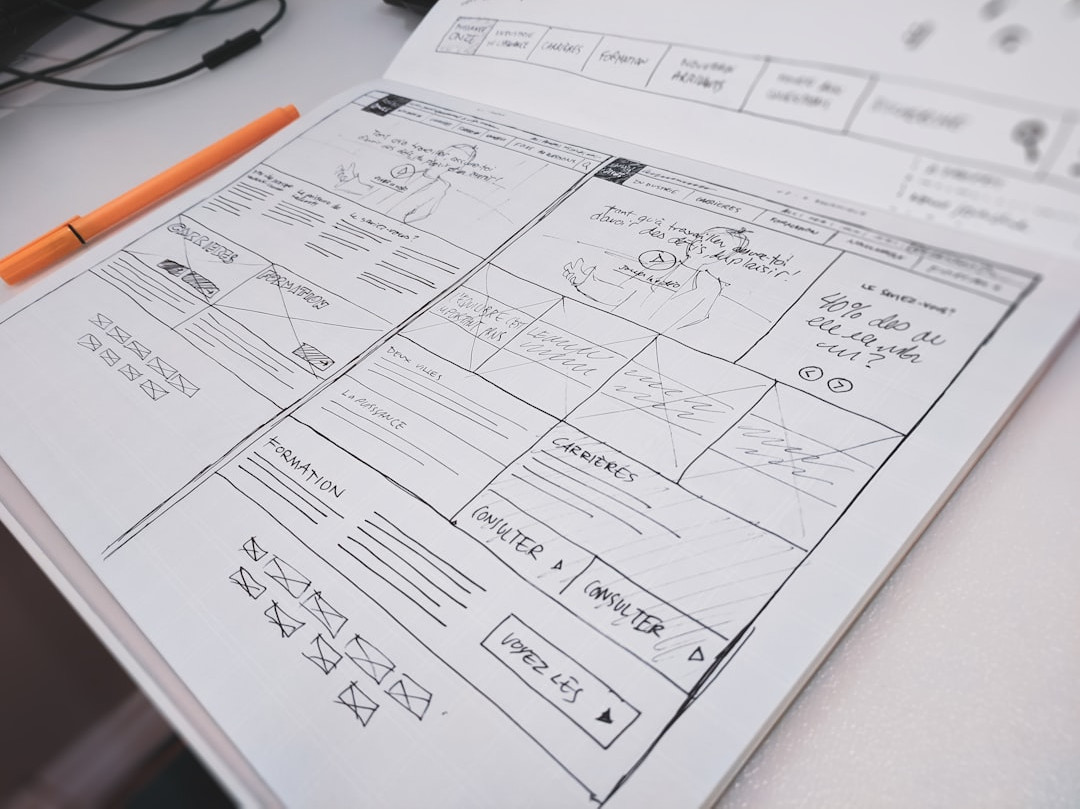
Trivex Method was formed in Lake George to make habits and progress routines easier to discuss across specialist and operating teams. The practice grew around small rooms, annotated evidence, and a dislike of polished recommendations that nobody can operate. Its consultants turn habits and progress routines into working documents, workshop sequences, and decision records.
When a team tells us their problem is communication, we usually find a decision problem wearing a communication costume. Somebody, somewhere, did not decide — and every downstream conversation has been negotiating the gap ever since. We find the gap and close it.
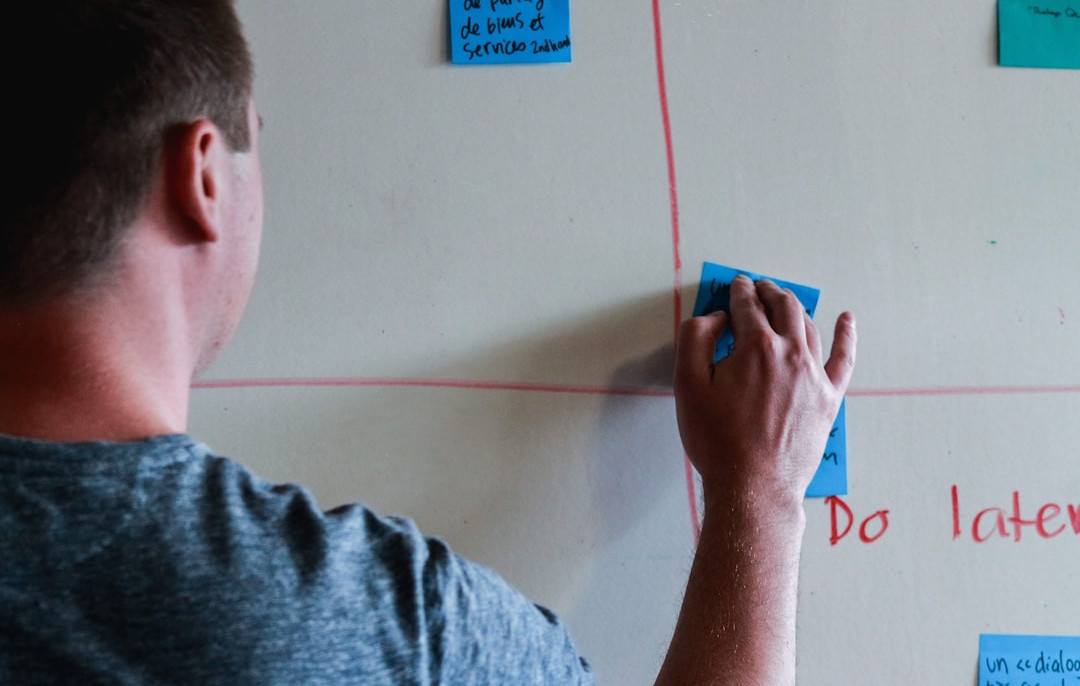
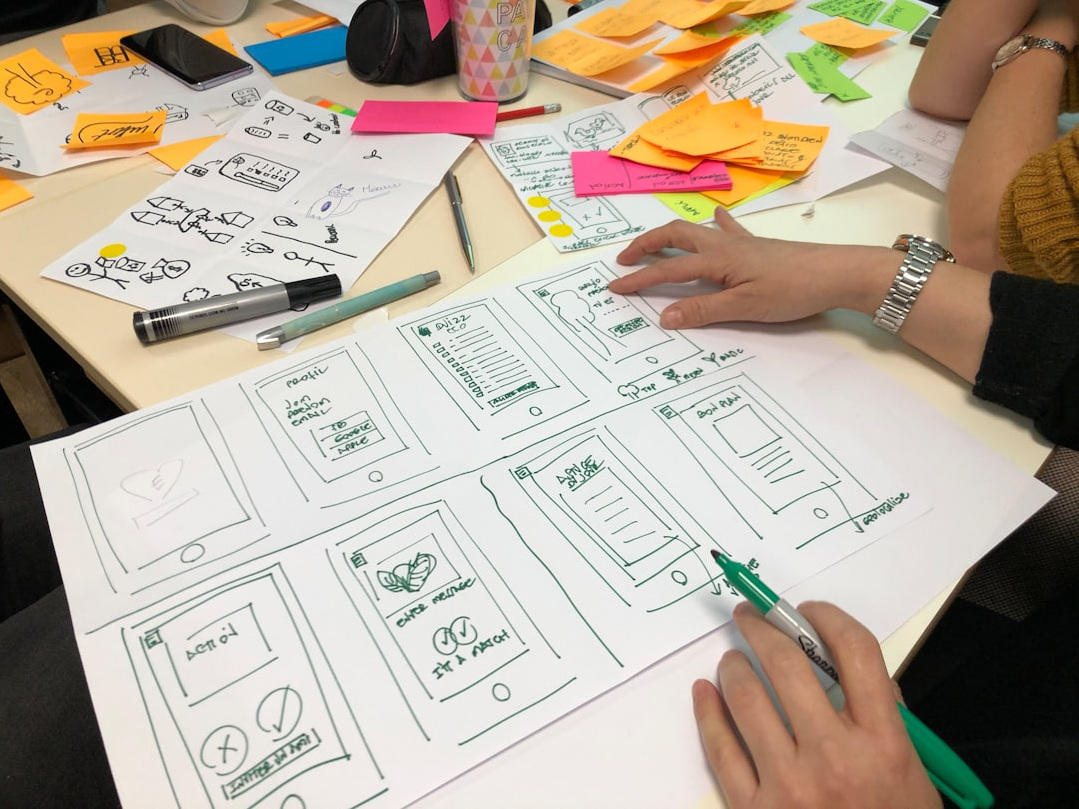
A workshop is a tool, not an event. We run sessions only when a decision needs a room around it, and we send the agenda as questions rather than topics, so everyone arrives knowing what the meeting is for and leaves knowing what was settled.
Our Weekly momentum studio, Goal friction scan, Accountability map, Reflection sequence assume that your team is competent; otherwise you would not need a handoff, you would need a rescue. We design for the competent case: tight scope, clear records, and a rhythm that respects the other work your people already carry.
Success Coaching & Habit ProgramsWeekly momentum studioLake George
Evidence before ornament
We work the way we advise: decisions are written down while they are being made, not reconstructed afterwards. Every recommendation carries its evidence, its assumptions, and the name of the person who owns it, so a new team member can pick up the thread without a briefing cycle.
Cadence over panic
A steady rhythm beats a heroic sprint. We hold scope to what the calendar can genuinely absorb, review at a fixed cadence, and end each cycle with something finished rather than something almost finished. Momentum that survives contact with reality is the only kind we count.
Traceable decisions
Traceability is not paperwork for its own sake. When a decision is questioned six months later, the record shows what was known at the time, what was uncertain, and why the path taken looked best. Teams that can defend their history move faster, because they stop relitigating it.
Small teams, senior attention
We staff engagements with a small number of senior practitioners rather than a pyramid. The people who scope the work are the people who do it, and the client always knows exactly whose judgement stands behind each deliverable. Attention is the service; everything else is logistics.
Timeline
2002 Trivex Method: precise rooms for habits and progress routines.